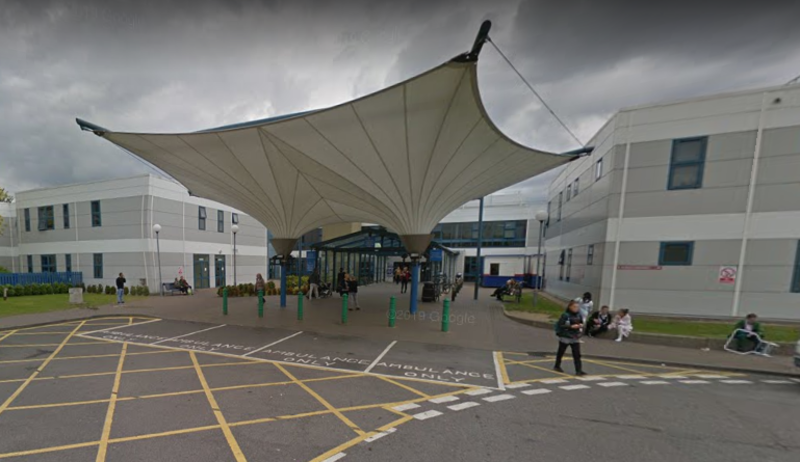
A boy has been awarded £10 million in compensation by the High Court after delays to his delivery at the Queen Elizabeth Hospital in Woolwich left him with brain damage.
The funds will go towards meeting his extensive needs for the rest of his life after the hospital he was born as admitted that failures in his care caused his “catastrophic” injuries.
The child, who cannot be named for legal reasons, suffers from cerebral palsy, affecting his development, mobility and ability to communicate, and the severity of his care means he needs 24-hour care and specially adapted accommodation.
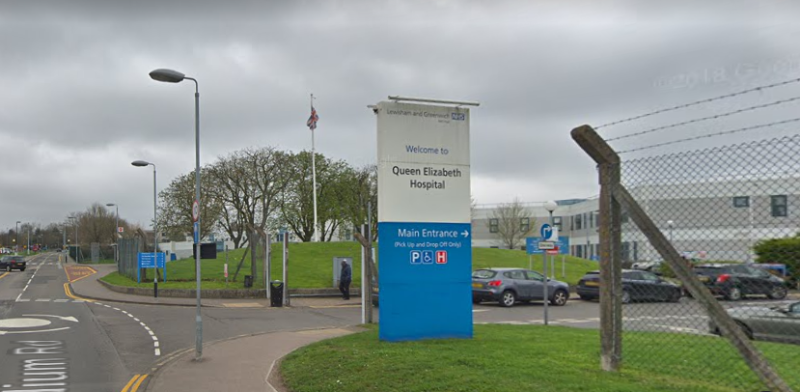
In a letter sent to the family’s lawyers, Lewisham and Greenwich Hospital NHS Trust said it ‘deeply regrets’ the injuries sustained by ‘DXP’, and admitted that had he been born sooner it is likely that he would not have suffered from cerebral palsy.
The child, referred to as DXP, was born on June 4, 2012, at the Queen Elizabeth Hospital in south east London.
Following his birth, the family, who are from Kent, contacted medical negligence lawyers Simpson Millar to investigate the care he had received at QEH, including concerns that he should have been delivered sooner via Caesarean section medical staff identified an issue with the baby’s heart.
Following an admission of liability from the Trust in 2014 the family were awarded interim payments on account of damages which ensured that the boy had access to suitable accommodation, care and rehabilitation whilst the case was ongoing.
And following the High Court trial, a total of £10 million in compensation is to be paid initially as a substantial lump sum and then in annual periodical payments which will continue for the rest of the child’s life.
The family’s lawyer, David Thomas from Simpson Millar, said the family were “extremely relieved” the long legal case is now drawing to close and “are looking forward to moving on with their lives as best they can.”
“No amount of money will ever compensate the family for what they have endured over the years as a result of an injury that could and should have been avoided, but it will provide some financial stability which will fund the child’s immediate, and longer-term care needs”.
The letter from the NHS trust said that a failure to offer an induction of labour at 39 weeks gestation, – following repeated visits to the hospital because the baby had stopped moving as much, and a diagnosis of gestational diabetes – and the failure to carry out a Caesarean on the 3rd of June, had represented a ‘breach of duty in care’.
A subsequent investigation also raised concerns about the communication between staff during the labour, as well as the interpretation of the baby’s CTG trace by both junior obstetricians and midwives.
Source: News Shopper