
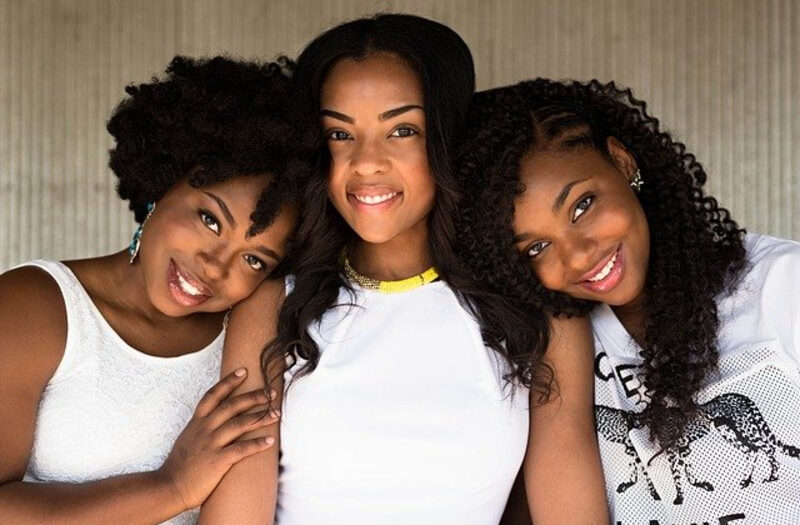
With the rise of the digital age, Black women have witnessed a new generation of impressionable Black girls who have used cornrow and braiding styles as affirmations of their cultural identity.
Despite the new wave, Black women still often face backlash for wearing their natural hairstyles in the office, school, and beyond.
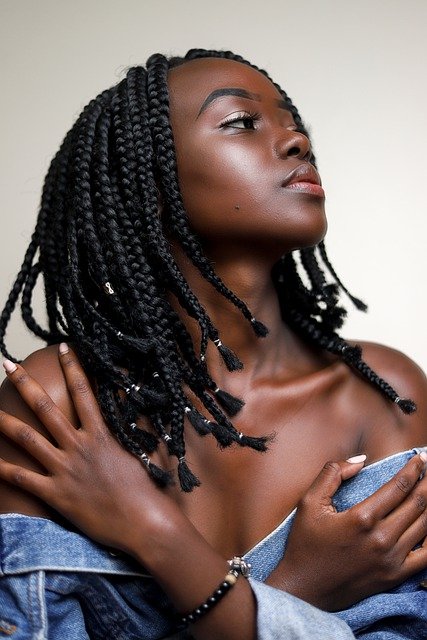
A 2018 report by the American Bar Association found 80% of African American women said they felt pressured to make their hair look more acceptable to their non-Black peers to fit in at work.
Black hair has again become the topic of controversy, most recently in sports.
Black hair has again become the topic of controversy, most recently in sports.
The US Olympic Committee faced a firestorm early this month when it announced earlier that swim caps designed for Afro-textured hair would be banned from use after the International Swimming Federation
denying the British company SOUL cap application for participating athletes in the upcoming 2021 Tokyo competition.
Natural hair activists and supporters answered the rallying call of Black swimming organizations, calling out the committee – and sporting in general – for beauty and uniform standards that disadvantaged Black athletes.
Soon after, tennis star Naomi Osaka, an athlete unapologetic about her Blackness would make a powerful statement on Black hair by appearing on the cover of Vogue Hong Kong.
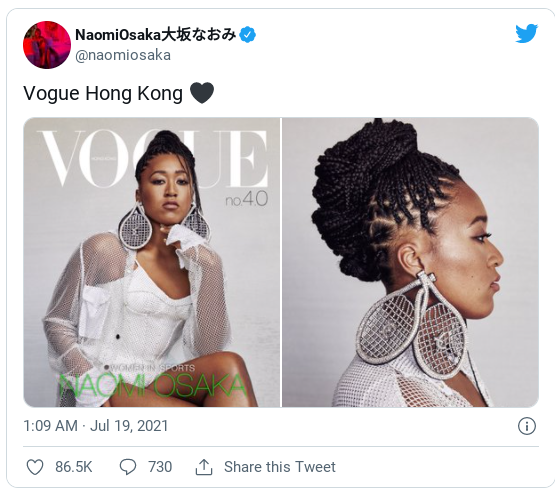
On it Osaka dons giant, tennis racket earrings adding depth to a chiseled profile glorified with long, ornate braids intricately woven into a crown.
A growing number of Black women who once would have not considered wearing their hair any way other than straight are speaking out against stigmas that prohibit them from wearing their crowns in braids, cornrows and twists even as natural hair becomes more of the norm.
Despite the push back Black women and girls still face, these same braiding styles once called “unprofessional,” and even “ghetto” are now flaunted on non-Black personalities, with mainstream publications gentrifying their Africans roots like new residents Black communities even re branding them as parallel plaits”.
“A lot of times, we are told that imitation is a form of flattery, but that is not usually the case when non-Black people begin wearing cornrows, braids, and locs,” culture journalist Ayana Byrd told Insider.
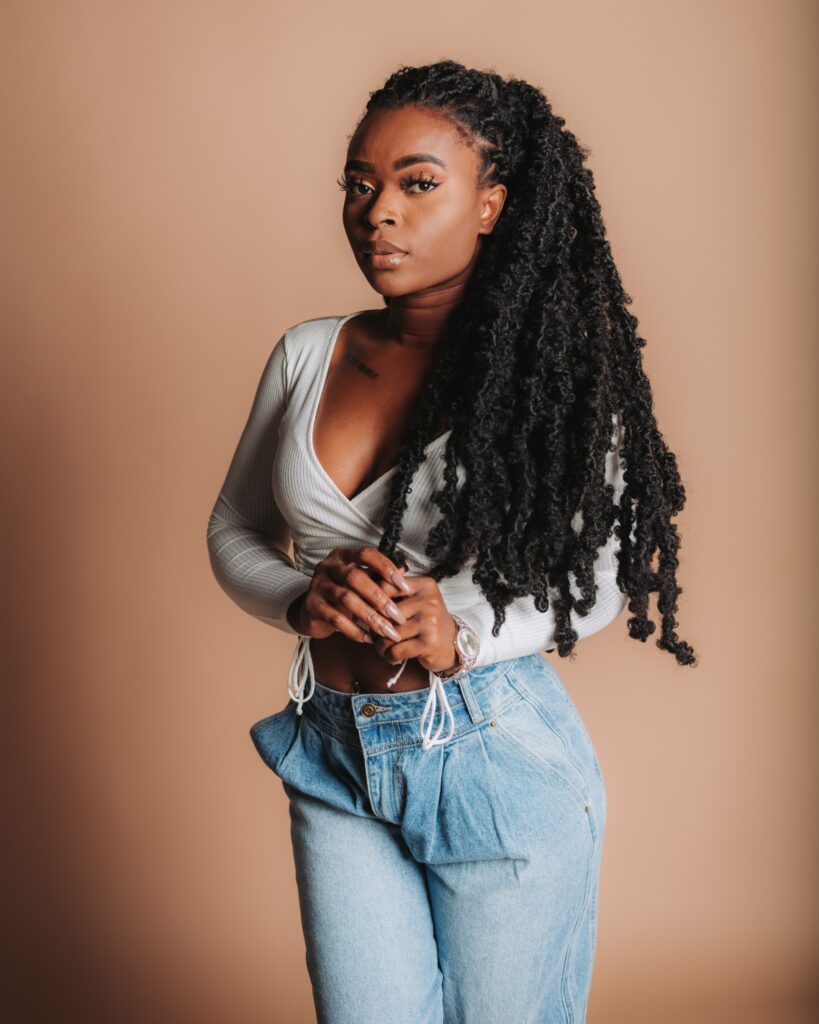
“Instead, often what is happening is a whitewashing of the origins of the style”, the author of Hair Story: Untangling the Roots of Black Hair in America and Naked: Black Women Bare All About Their Hair, Skin, Hips, Lips and Other Parts, added.
A 2016 study by the Perception institute showed a majority of participants, regardless of race, showed an implicit bias towards natural hairstyles.
Byrd pinpointed how “at the same time that non-Black people are celebrated for wearing Black hairstyles, Black people are still being discriminated against”.
Cornrows, Senegalese twists, Fulani braids all these unique styles are connected to a specific ethnic group across numerous African countries.
They tell different origin stories and serve as markers of status depending on the country of origin.
Source: Insider